A new approach to tunneled access line
A streamlined solution for controlled guidewire passage through subcutaneous tissue

available in the U.S.
Tunneled catheters in vascular access practice
Proven Best Practice
Clinical evidence, including randomized trials and meta-analyses, shows that subcutaneous tunneling reduces complications and improves catheter stability. (1-3)
Yet Underutilized
Despite the evidence, tunneling is not consistently adopted due to procedural complexity, extra steps, and workflow disruption
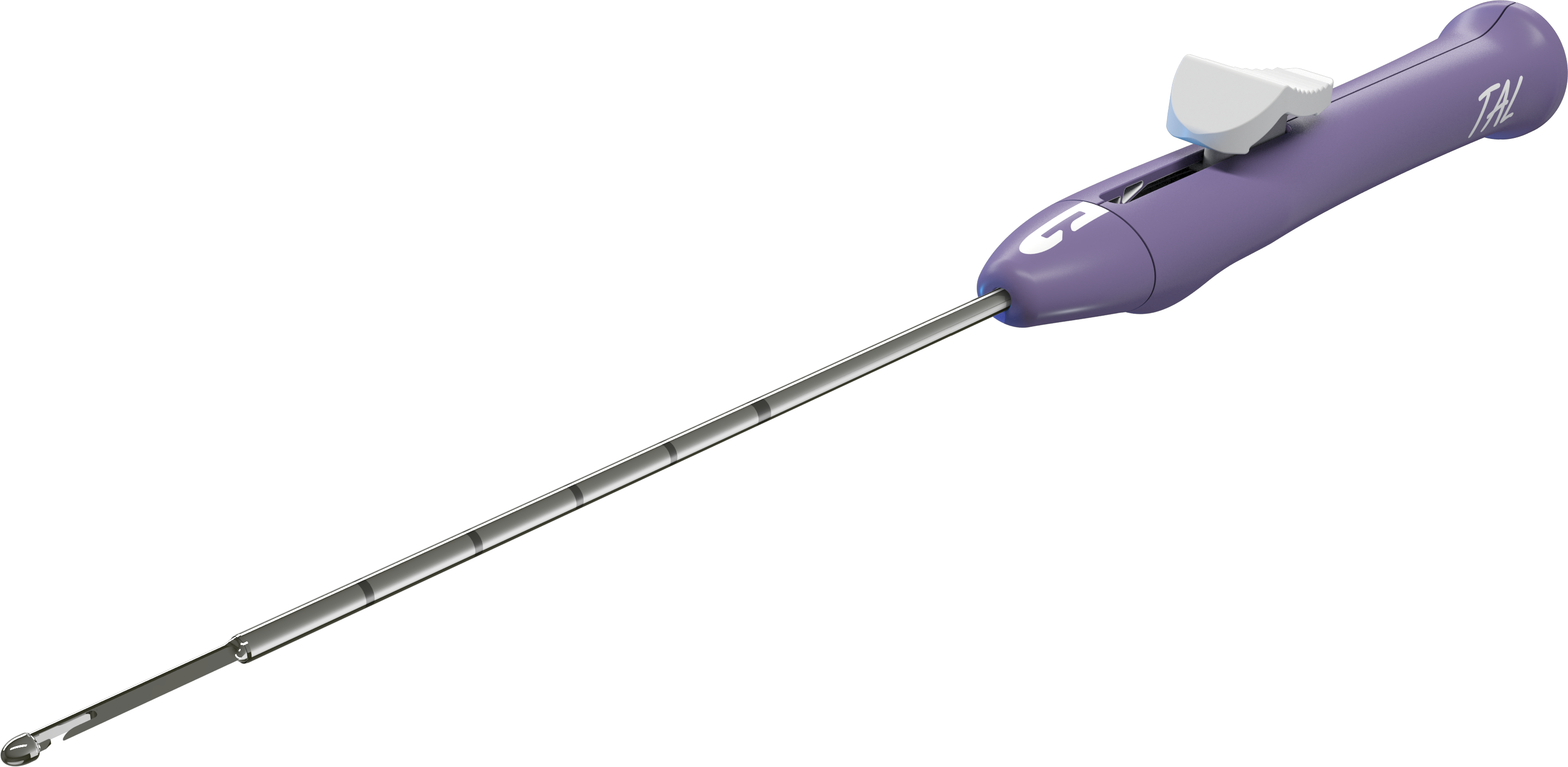
TAL Device streamlines subcutaneous tunneled catheter placement
The TAL Device is designed to integrate seamlessly into existing vascular access workflows, enabling controlled guidewire passage through subcutaneous tissue to support catheter placement.
* Animation for demonstration purposes only. TAL Device is intended to grasp and pass a guidewire to enable tunneled catheter placement procedures.
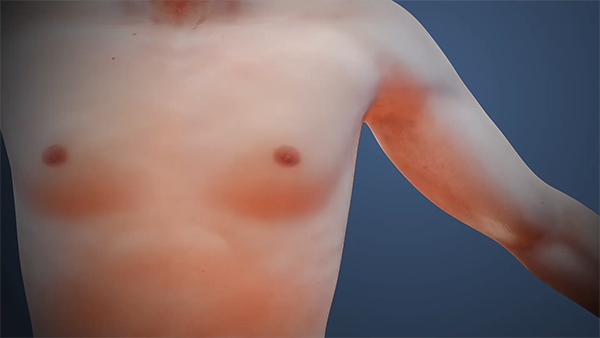
* Animation for demonstration purposes only. TAL Device is intended to grasp and pass a guidewire to enable tunneled catheter placement procedures.
TAL Device - ideal for bedside and IR use
Enables the use of multiple catheter tip location technologies
Current tunnel procedure
Multiple steps
Two surgical skin incisions
Disrupted workflow
TAL Device procedure
Single step (guidewire passage)
Single skin nick
Streamlined workflow in-clinic
Clinical experience with the TAL Device in tunneled CVC placement*
Data from an OUS clinical evaluation of tunneled catheter placement using the TAL Device (N=37)**
Procedural success was reported in all evaluated cases
No device-related adverse events were reported
5 cm Average tunnel length
31% Average Catheter to vein ratio in Access site
*The TAL Device supports guidewire passage during tunneled catheter placement procedures, where vascular access and catheter insertion is performed at separate sites.
**Results from a limited clinical evaluation. Performance may vary depending on clinical conditions and user technique.
U.S. Clinical experience & feedback
U.S. Clinical
Experience & Feedback
Adopted by vascular access specialists and PICC teams